Onimusha: Way of the Sword Combat Guide
Last verified: Sep 4, 2026 · Release-day edition
Onimusha: Way of the Sword makes defence part of the offence. Musashi can guard, parry, Deflect, dodge, or gamble on an Issen counter; each response can create a chance to take back control. The central idea is not to swing through every threat, but to read the attack in front of you and answer it with the tool that suits the moment.

The Combat Loop
Combat gives Musashi several answers to pressure: parries, Deflects, Issen counters, soul absorption, and Oni-powered attacks. Whatever the enemy, the loop is the same: observe the attack, choose a response, and convert the opening into damage. Regular Genma die to clean swordplay; tougher enemies and bosses have a stamina bar on top of their health, and depleting that stamina is what unlocks the fight-ending follow-ups.
Way of the Sword lets you vary swordplay between quicker one-handed slashes and heavier two-handed strikes. Neither is objectively better — use the option that fits the opening rather than assuming one rhythm suits every opponent.
The Defensive Toolkit
Block (Guard)
A held guard can keep attacks at bay, but it spends stamina — so clean defensive timing is usually more valuable than simply absorbing every hit. Blocking is the fallback, not the default: it stops damage but leaves you vulnerable to stamina pressure, and a drained stamina bar opens you up to a Break Issen.
Parry
A well-timed parry can turn an incoming strike into an opening. Repeated parries also build toward Blazing State, a temporary power-up that increases damage and improves the chance of blue souls appearing. Parry is the balanced defensive answer: safer than Issen, faster to earn than Deflect's stamina breaks.
Deflect
Deflect is the stamina-focused answer: time it against an attack to wear down an opponent, and it can send certain projectiles back toward their source. Once an enemy's Stamina Gauge is completely depleted, Break Issen becomes available — a decisive follow-up that can finish many lesser Genma and sharply hurts tougher foes. Against bosses, Deflect is the reliable route to those stamina breaks.
Dodge & Reflex Dodge
Dodging is not merely an escape. A precisely timed Reflex Dodge can build toward a Reflex Combo, and it remains essential against attacks that cannot be met blade-to-blade. Some attacks cannot be parried or Deflected at all — white-glowing attacks are the clearest example — and against those, the dodge is your only answer.
Practice one defensive tool at a time. Pick a readable enemy attack, parry it until it is instinct, then add Deflect, then attempt the Issen window. Building the toolkit in layers is faster than trying to learn everything in one fight.
Issen, Stamina and Break Issen
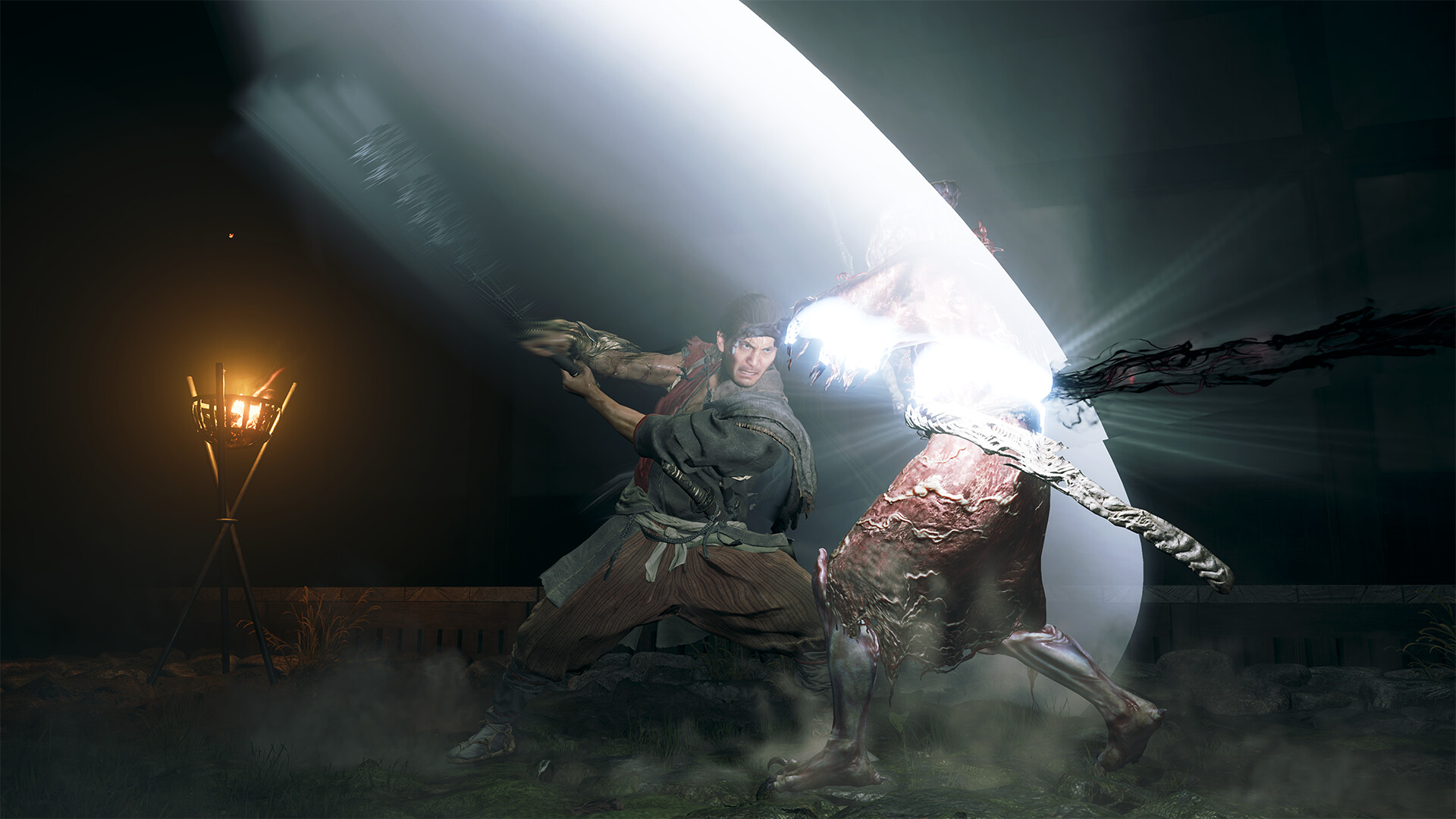
Issen is the high-commitment counter: attack at the last possible moment to answer a blow with one of Musashi's strongest strikes. Its timing window is razor-thin — tighter than a parry — which makes it the riskiest defensive answer and the most rewarding. It does not require a full stamina break; any readable attack can be Issen'd the moment the timing is internalised.
When an enemy's stamina bar is empty, the game offers a Break Issen prompt. Land it and you choose between red soul sparkles — direct damage to the enemy — or purple ones that release yellow (health), blue (Oni Power) and purple (Awakening) souls. Against regular enemies Break Issen is a one-hit finish; against bosses it is the main window for serious damage. Full timing details live in our dedicated Issen guide.
Blade Clashes: Barrage & Lock
When blades meet, the fight can turn into a contest of its own. A Barrage begins when attacks land at the same time — the game switches the type of attack used to enter it, and winning the exchange seizes momentum. A Lock can follow a parry or Deflect and is won by repeated, rapid attack presses. Treat these as minigames within the fight: watch the prompt and respond rather than treating every collision as a trade, because winning a clash can reset the whole rhythm of an encounter in Musashi's favour.
Blazing State & the Blaze Gauge
Parries and clean defensive play gradually fill the Blaze Gauge (the blue meter in the corner of the screen). Once it is full and Blazing State kicks in, Musashi deals more damage and stands a better chance of blue souls appearing. Blazing State is a tempo swing: it rewards the player who has been reading attacks correctly, and it feeds directly into the Oni economy below.
Souls & the Oni Gauntlet
The Oni Gauntlet does more than mark Musashi as an Oni warrior: it absorbs Genma souls and fuels his supernatural options. The souls you collect fall into colour-coded roles — red souls serve as currency and direct damage, yellow restore health, blue souls power the Oni Armaments, and purple souls build the Awakening gauge. Keeping an eye on the battlefield matters: souls left behind can be lost, and some enemies — Daidara above all — will happily claim them first.
Three Oni powers shape exploration and combat alike:
- Oni Vision (Eye Awakening) — reveals hidden oni doors, destructibles and treasures.
- Oni Strength (Arm Awakening) — breaks demonic barriers and heavy defences, gained after defeating Rasho-gan.
- Oni Agility (Leg Awakening) — enables wall-runs and new routes, gained during the story's Toribeno missions.
Oni Armaments & Oni Awakening
Unlike previous Onimusha games, Musashi cannot freely wield the Oni Armaments — the Two Celestials, Oni Bow, Wind-Whipper and the rest. Each one is charged by absorbing souls; unleashing its power drains the gauge, and the weapon is unavailable until it is refilled. Activated armaments generate purple souls, which in turn build the Awakening gauge. Every armament and its location is listed in our Oni Armaments guide.
Once the Awakening gauge is maxed out, Musashi transforms into his full Oni Awakened state. The transformation is a damage window, not a panic button: Issen windows become dramatically easier to land while awakened, so focus on chaining Issen counters and save the devastating finisher for when the meter is about to run dry. Oni Awakening is the payoff for the whole souls economy — the state where every system the game taught you converges.
Control Styles & Difficulty
Before launch, Capcom described two control layouts — Aggressive and Defensive — and the game ships with both available in the settings. The Defensive layout matches the conventions of most modern action games and is the easier entry point; Aggressive puts more actions on the face buttons for players who want everything closer at hand. Check the in-game settings and choose whichever makes defensive actions comfortable, since defence is the game's core skill.
Three difficulty levels exist. Story is the easy mode, Action the standard recommendation for action-game players, and Carnage — unlocked only after clearing the game and selectable only on a New Game+ file — is the challenge mode tied to the True Onimusha trophy. Action Prompts (on-screen button hints for every attack) can be disabled in settings; Carnage disables them automatically, so practising without them from the start eases the later climb.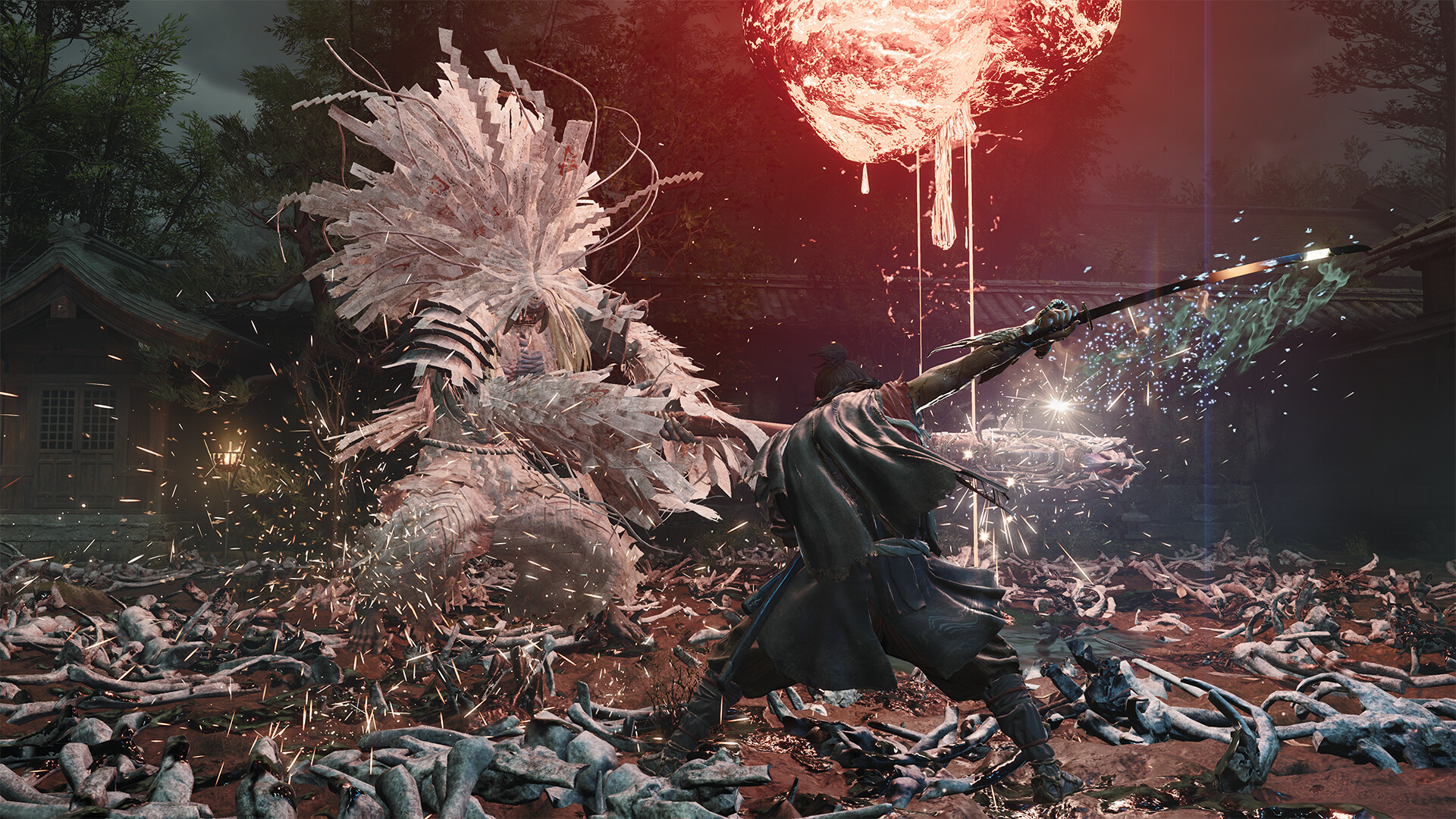
Combat FAQ
What is the difference between parry and Deflect in Onimusha: Way of the Sword?
A parry is a precisely timed block that creates an opening and builds the Blaze Gauge toward Blazing State. Deflect is timed against an attack to heavily damage the enemy's stamina and can reflect projectiles; emptying stamina is what enables Break Issen.
How do you trigger Blazing State?
Land repeated parries (and clean defensive reads) to fill the Blaze Gauge. When it is full, Blazing State activates: Musashi deals more damage and blue souls appear more often.
What are the soul colours for in Onimusha: Way of the Sword?
Red souls act as currency and direct damage, yellow souls restore health, blue souls charge the Oni Armaments, and purple souls build the Oni Awakening gauge.
Can every attack be parried or deflected?
No. Attacks that glow white can only be dodged, and some grabs and area attacks require evasion. Reading which is which is the core combat skill.
Is there a block button in Onimusha: Way of the Sword?
Yes — holding guard blocks attacks but consumes stamina, so it is a fallback rather than a primary defence. Parry, Deflect and dodge are the efficient answers.